

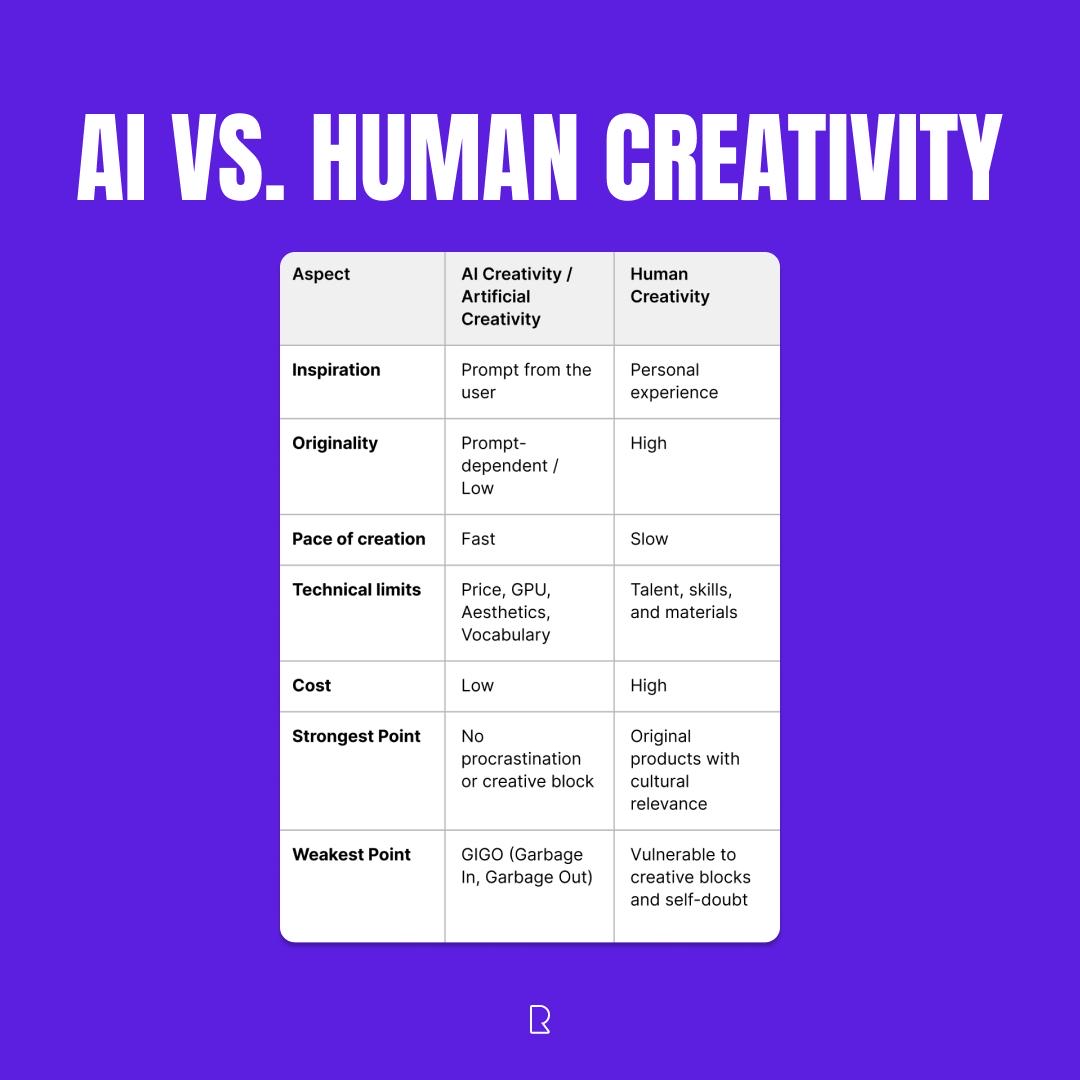
The Frustration Almost Everyone Has
You ask AI to help with:
- Content
- Marketing
- Emails
- Ideas
- Copywriting
And at first, it feels impressive.
Then after a while…
Everything starts sounding the same.
Generic.
Flat.
Over-polished.
Like AI wrote it.
Because it did.
The Problem Isn’t Just the AI
Most people blame the tool.
But the real problem is usually this:
👉 You’re giving AI vague instructions and expecting unique results.
What Most People Actually Do
Typical AI usage looks like this:
“Write me a LinkedIn post about productivity”
Or:
“Create an ad for my business”
That sounds specific…
But it really isn’t.
AI has no idea:
- What style you want
- Who your audience is
- What angle to take
- What emotion to create
- What makes your brand different
So it defaults to the safest possible output.
Why AI Defaults to Generic Content
AI is trained to generate the most statistically likely response.
That means:
- Safe wording
- Common phrasing
- Predictable structure
In other words:
👉 Average in = average out
🚨 Signs Your AI Content Feels Generic
You’ve probably seen these before:
- “In today’s fast-paced world…”
- “Unlock your potential…”
- “Revolutionary solution…”
- “Elevate your business…”
Technically correct.
Emotionally dead.
The Real Fix Isn’t “Better Prompt Engineering”
A lot of people think the solution is learning complicated prompting tricks.
But honestly?
That’s only part of it.
The bigger issue is:
👉 You need better structure before you need better prompts.
✅ How to Actually Get Better AI Outputs
1. Give AI Better Context
Instead of:
“Write a social media post”
Try:
- Who is it for?
- What’s the tone?
- What’s the goal?
- What emotion should it create?
The more context you give…
The less generic the output becomes.
2. Stop Asking AI to Do Everything at Once
This is one of the biggest mistakes.
People ask AI to:
- Think strategically
- Write creatively
- Optimise messaging
- Sound human
All in a single prompt.
That usually creates messy or bland results.
3. Use Workflows Instead of Single Prompts
This changes everything.
Instead of:
“Write me a blog post”
Use steps:
- Define audience
- Generate angles
- Build structure
- Write sections
- Refine tone
👉 Each step improves the next one.
4. Inject Your Own Perspective
AI without human input becomes predictable very quickly.
The best results happen when you add:
- Opinions
- Experiences
- Contrarian takes
- Real examples
AI should support your thinking…
Not replace it.
5. Refine Outputs Gradually
Most people either:
- Accept the first output
or - Completely restart
Instead:
👉 Refine in layers.
Examples:
- “Make this more direct”
- “Add more tension”
- “Shorten this”
- “Make it sound less corporate”
Small refinements produce far better results.
The Big Realisation
Most people think:
👉 “AI isn’t that good”
But often:
👉 They just don’t have a good process
AI Is Multiplication, Not Magic
AI amplifies:
- Your structure
- Your thinking
- Your direction
If those are weak…
The output will be weak too.
The Bottom Line
If your AI outputs feel generic…
It’s usually because:
- The instructions are vague
- The process is weak
- There’s no structure
The fix isn’t endlessly tweaking prompts.
👉 It’s building better workflows.
Want Better AI Outputs Without the Trial and Error?
Instead of starting from scratch every time…
👉 Use structured AI workflows designed to create clearer, stronger, more usable results.
(That’s exactly what we’re building at Promptozia.ai)